Ideogram 4.6: Native 4K Images and Edits That Don't Drift

Amir Farid
7 min read
Ideogram released Ideogram 4.6 on 19 November 2026 across its web app, developer API and partner platforms. It generates images natively at up to 4096 × 4096 pixels — real 4K, with no post-upscaling — and its Precise Edit mode changes one thing, such as a garment's colour, without redrawing the face, background or anything else. API pricing starts at $0.008 per image, with native 4K generation at $0.20 and 4K editing at $0.60 at High quality.
The short version: 4.6 is the first Ideogram release sharp enough for print straight from the model. Below: what native 4K buys you, the cost maths, when to use Ideogram instead of a photoshoot, and the licence checks before an image goes into a paid ad.
Ideogram 4.6: Native 4K Images and Edits That Don't Drift
What Ideogram 4.6 actually is
Ideogram 4.6 is an image generation and editing model built for precise creative control, with two API endpoints: Generate, for new images from a prompt or up to five reference images, and Precise Edit, for focused changes to an existing image, with an optional mask. It is live in the Ideogram web app, through the API, and on partner platforms. Version 4.5 was native 2K; 4.6 doubles that to 4K.
Native 4K, not upscaled 2K
Upscaling invents detail. A 2K image stretched to 4K looks soft on a large screen and falls apart in print; a native 4K image is generated at full resolution, so skin pores, fine lines, fabric weave and metal texture are drawn by the model, not guessed by an upscaler.
Precise Edit: change one thing, keep the rest
Precise Edit is the feature that decides whether 4.6 earns a place in a real workflow. Recolour a jacket to your brand hex or repair a defect in a product photo — the model edits that element and leaves the rest alone. Ideogram's own internal tests report usable-output rates rising from 46% to 83% for exact-colour edits, 61% to 86% for product-detail repairs, and 82% to 90% for masked edits — Ideogram's numbers, not independent results. Precise Edit preserves the source image's dimensions.
The Rapidata claim — and what it does and doesn't prove
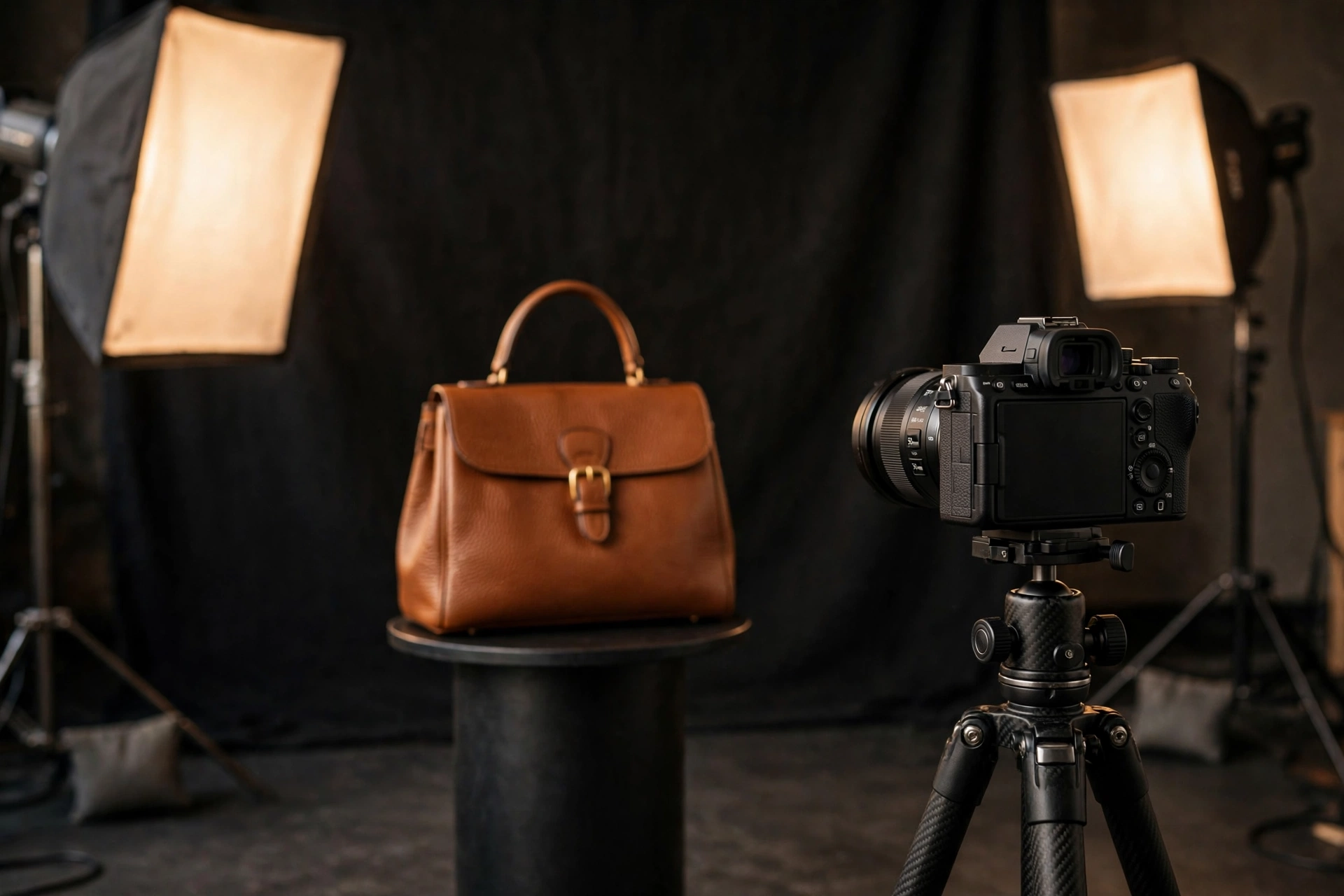
Ideogram says 4.6 ranks first on Rapidata's Multi-step Image Edit leaderboard with 1,892 points, ahead of ByteDance's Seedream 5.5 at 1,805 and FLUX 3 Image at 1,697. That is Ideogram's claim, from a 17 November 2026 snapshot on its own model page — not an independent test. The benchmark runs five everyday edit prompts in sequence on each of 199 photographs of real people, then human annotators judge which face still looks most like the original. It measures identity drift across repeated edits.
What the leaderboard does and doesn't prove
A first place here is a reason to test 4.6 on your own images, not a guarantee it wins on yours. The benchmark tests faces, not pack shots or logos, and the scores carry uncertainty ranges — 1,892 ±32 for 4.6 against 1,866 ±30 for 4.5. Read the Rapidata leaderboard yourself, then run the same five-edit sequence on your own product shots.
The price: what $0.008 to $0.60 per image actually means
API pricing is per image, and varies by quality, resolution and whether you generate or edit. Very low quality starts at $0.008 per image, capped at 2K. At High quality, a native 4K generation costs $0.20 and a 4K edit costs $0.60. Anything at 2K or below is billed at the 2K price; commercial rights are included. Check Ideogram's pricing table — prices can change.
The cost maths, in plain numbers
- 100 social visuals at Very low quality: about $0.80.
- 50 product shots generated at 4K High quality: $10.00.
- 50 product shots, one 4K Precise Edit each: $30.00.
Compare that with a photoshoot day, which runs into hundreds or thousands of pounds before a single image is retouched. See Kling Image 4.0 for 8K output and Minimax H3 for fast generation — and price the whole pipeline with our AI agent development cost guide.
What native 4K changes for product shots and ad creatives
Resolution is not a vanity number when the image has to work in more than one place. A single 4K master can be cropped for a website hero, a square social post and a printed leaflet without a second shoot or a soft upscale.
Product shots that survive a zoom
Online shoppers pinch to zoom. On a 2K image that zoom turns into blur; on a native 4K shot the stitching, the label and the finish stay crisp. That is why 4.6 fits ecommerce product pages and ecommerce builds: one image can serve the product page, a marketplace listing, a catalogue and a paid ad.
Ad creatives at every size from one master
Paid social eats variants: a campaign needs the same idea in a dozen crops, and every crop used to mean a new design pass. With a 4K master and low-drift editing, you generate once, then recolour, reframe and relabel the same image for each placement without the product drifting between versions. Our social media handling and digital marketing teams treat the master as the single source of truth.
Ideogram vs a photoshoot vs other image tools
The question is not AI versus photography, but which job each one does best. A photoshoot is still the right call for a hero product launch, real people, and anything where a customer must trust the photo shows the actual product. Ideogram wins on speed, volume and variation: seasonal recolouring, marketplace variants and social tests. ChatGPT Images 2.6 covers animated GIFs and playful social content, but for precise product edits at 4K, 4.6 is the pick to test first.
A simple rule for choosing
- Photoshoot: hero launches, real people, trust-critical product truth.
- Ideogram 4.6: variants, recolouring, seasonal refreshes.
- Other image tools: animation and illustration.
A practical workflow: from brief to brand-consistent visuals
The model is only half the workflow. The other half is discipline: a fixed master image, a written brand reference, and a human check at every step.
A repeatable pipeline in five steps
- Shoot or generate one 4K master image per product, and lock it as the source.
- Write down the brand hex codes, fonts and label wording.
- Make one edit per turn, and review each result before the next.
- Save the original, every prompt and every approved output.
- Check faces, text, colours and product details at full size before anything goes live.
That pipeline plugs into the wider stack: WhatsApp commerce for retailers, AI agents for small business automation for routing images into listings, and generative engine optimisation so those pages get cited by AI search. Our AI automation and AI agents development teams can build it.
The catches: licences, open-source timing and quality checks
Three things to check before 4.6 becomes your default. First, commercial use: Ideogram permits commercial use of outputs under its terms of service, but you remain responsible for third-party rights — do not edit a photo you do not have rights to. Second, open source: Ideogram has said it will open-source the 4.6 weights, but that is a reported announcement, not a download yet. Third, quality: check text, faces, colours and details after every edit. The same discipline applies to scaling a SaaS MVP: pilot on real work, measure, then scale — or contact Coheser for help running the pilot.
Frequently asked questions
When was Ideogram 4.6 released, and where can I use it?
19 November 2026, in the Ideogram web app, the developer API and partner platforms.
How much does Ideogram 4.6 cost?
From $0.008 per image in Very low quality, capped at 2K. At High quality, 4K generation costs $0.20 and a 4K edit costs $0.60. Prices can change; commercial rights are included.
What does Ideogram claim about the Rapidata leaderboard?
Ideogram says 4.6 ranks first with 1,892 points, ahead of Seedream 5.5 and FLUX 3 Image. That is Ideogram's claim from a 17 November 2026 snapshot.
Is Ideogram 4.6 better than a photoshoot?
For variants, recolouring and fast tests, usually yes. For hero launches and trust-critical product truth, a photoshoot still wins. Most businesses will use both.
Can I use Ideogram 4.6 images in ads?
Ideogram permits commercial use of outputs, but you remain responsible for third-party rights in the source image. Check the details at full size before publishing.